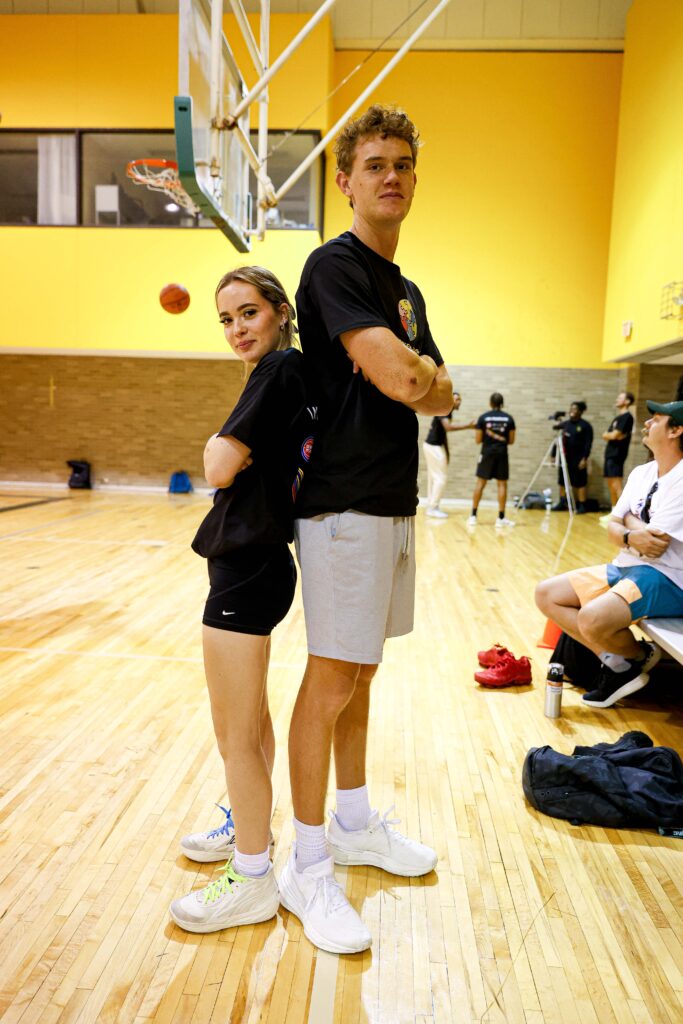
Grace Loughlin Wants to Change the Game for Girls in Northern Ireland
November 27, 2025
SHARE
Facebook
Twitter
LinkedIn
When Grace Loughlin first joined PeacePlayers Northern Ireland, she didn’t picture herself becoming an outspoken advocate for girls in sport. In fact, she almost quit on the very first day. “I wanted to quit, and my mum pushed me to go back in,” she laughs. “I used to be really shy, and now, like, you can’t get me to stop talking.”
Before she ever thought of stepping into advocacy, Grace saw herself as one of many girls in Northern Ireland raised with limited athletic options. “Here in school, you’re brought up in certain sports,” she says. “The girls will always do netball. I never did basketball until PeacePlayers… I was just like, ‘Whoa, there’s stuff outside of these gender-norm sports.”
Her own experiences made those limitations heart breakingly clear. At a community 3v3 basketball tournament, organizers placed 17-year old Grace in the under-15 age bracket solely because she was a girl. “They were like, ‘Oh, these boys are all really big,’ and I said, ‘I don’t care.’ I think that really hit the nail on the head. People really don’t see women in these roles, and I’d love to change that, really open the doors for them.”
Statistics she encountered around the same time added urgency. Grace recalled learning that 1 in 5 girls drop out of sports before post-primary school in Ireland, compared with 1 in 20 boys. For her, the meaning was clear: “Girls aren’t seeing the opportunities that they have… they’re just not being shown or given to them.”
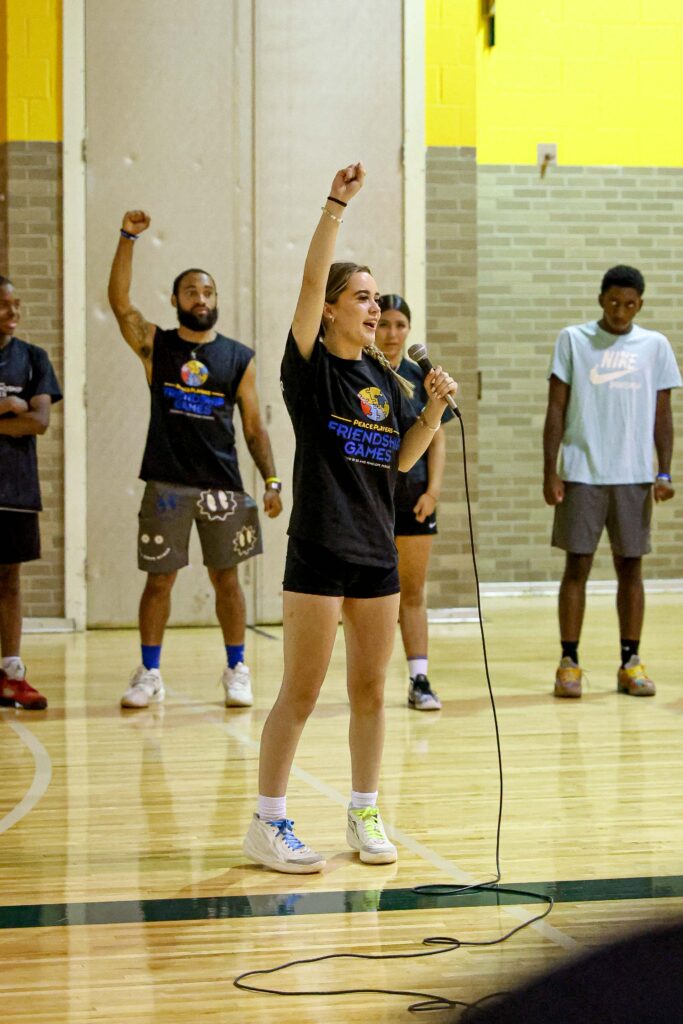
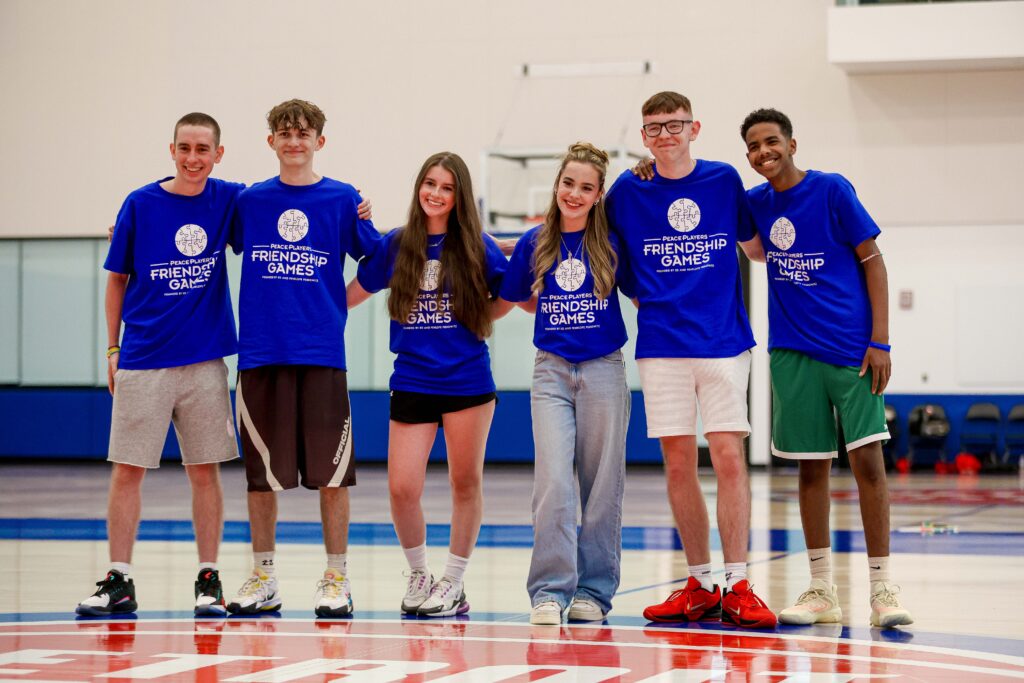
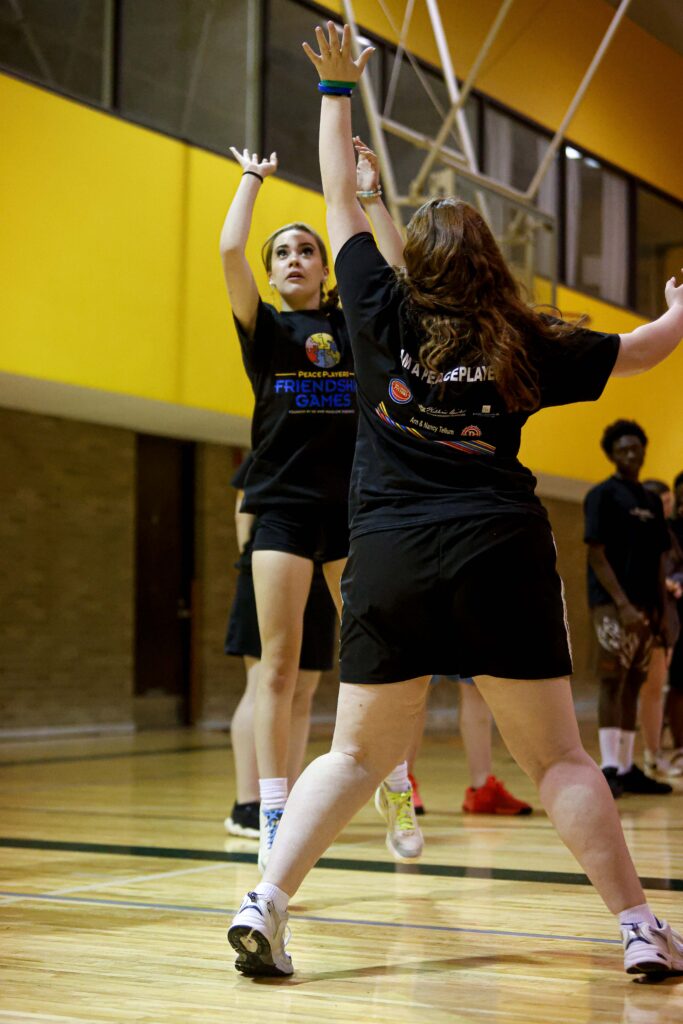
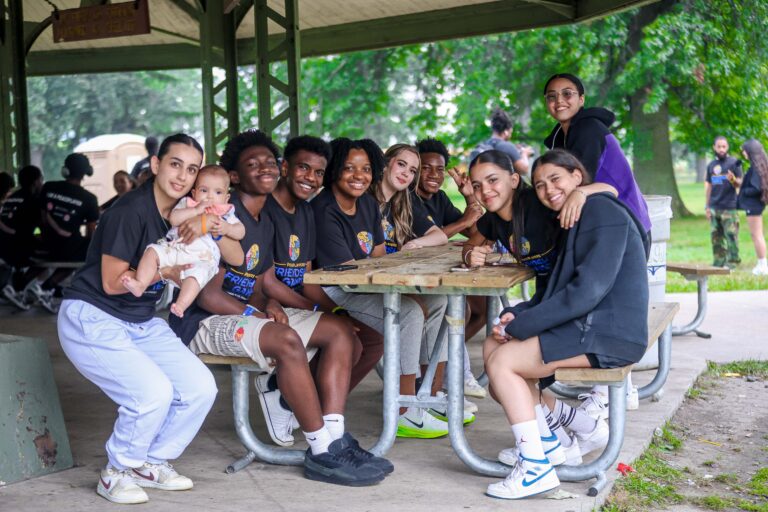
When she arrived at the Friendship Games in Detroit this past summer, her awareness—and conviction—deepened at the PeacePlayers Friendship Games, where she trained alongside young people from across the globe. There was something different about how the girls from other sites played: It wasn’t just talent; it was the fearless way they engaged with the sport. “These girls just were amazing, and they weren’t embarrassed to make mistakes,” she remembers. “They were throwing it up, and if it didn’t get in, they’d just get the rebound and go again.”
In contrast, she explains, Northern Irish girls often get “scundered” — deeply embarrassed — especially in sports spaces. Seeing girls from other countries play freely didn’t just inspire her; it affirmed what she already suspected. “I feel like we need something like that,” she says, a space where girls can fail, learn, and grow without judgment.
Grace now imagines a future where PeacePlayers creates those environments intentionally at home in Northern Ireland. Her vision includes a week-long training camp where girls from across Belfast come together to try out many different types of sports, not just the ones traditionally available to girls, “because I feel like that would really bring out girls’ competitive side. Like they have this place where they’re like, ‘okay, I can really get involved, because there’s no boys here to judge me. I feel like that would give girls the opportunity to play [a traditionally masculine game like] rugby and be like, oh, ‘I actually really like this game,’”
Yet she also sees enormous value in mixed-gender sport. “It definitely breaks down the stereotypes… boys are starting to realize, ‘Girls are great at these sports, they’re just not getting the same opportunities.’”